
What is LiFi Technology
What is LiFi?
LiFi (Light Fidelity) is a wireless communication technology that uses light instead of radio frequencies to transmit data. It works by rapidly modulating the intensity of LED light sources at speeds far too fast for the human eye to detect, encoding information within these changes in light. LiFi can operate across the visible, ultraviolet, and infrared spectrums rather than using radio waves, making it inherently resistant to electromagnetic interference. This makes it a reliable option for environments where radio signals are restricted, unreliable, or simply not permitted.
Why optical wireless makes a difference
Explore technology →
Ultra-secure channel
Optical signals are physically confined - no remote eavesdropping.
RF-interference resistant
Operates flawlessly in dense electromagnetic environments.
Ideal for RF-restricted environments
Aerospace, critical infrastructure, defense, underwater, and healthcare.
Seamless wireless mobility
Seamless optical cell handover in just seconds.
Full coverage control
Define exactly where the signal reaches.
Ultra-low latency
Stable and predictable.
EMC advantages
No radiated emissions - no interference with sensitive hardware.
LiFi Application Areas
Explore technology →

Ultra-secure channel
Optical signals are physically confined - no remote eavesdropping.
RF-interference resistant
Operates flawlessly in dense electromagnetic environments.
Ideal for RF-restricted environments
Aerospace, critical infrastructure, defense, underwater, and healthcare.
LiFi vs. RF
A different physical layer. A different security posture.
| Criterion | LiFi (Optical) | Wi-Fi / 5G (RF) |
|---|---|---|
| Carrier medium | Modulated light (visible / IR) | Radio frequency |
| Signal containment | Bound by physical surfaces | Penetrates walls & leaks externally |
| Interference | Immune to EMI / RF | Susceptible to congestion & jamming |
| Eavesdropping risk | Requires physical line of sight | Possible from outside the building |
| Use in RF-restricted zones | Fully compliant | Restricted or prohibited |
| Data density per m² | Very high | Shared spectrum |
| EMC compatibility | Zero RF exposure | Wide RF exposure |
Built for environments
where wireless must not fail.
Learn more →
Aerospace & Aviation
Defence & Military
Automotive
Warehousing & Logistics
Medical Facilities
Research Laboratories
Offices & Conference Rooms
Industrial Sites
Industrial Automation
Frequently asked questions
LiFi, short from “light fidelity”, is a wireless communication technology that uses infrared spectrum to transmit data at a high-speed.
A LiFi system consists of two main devices: a transmitter (an Access Point) and a receiver (Dongle).
The aeroLiFi Access Point transmits data using infrared light (not visible to the human eye) in both uplink and downlink directions. A Dongle can be plugged into any device, like a laptop, mobile phone, or tablet, and can instantly establish a data connection with an Access Point. The Dongle is plug-and-play, and no additional effort is needed to use it.
No, the human eye cannot see LiFi signals. LiFi uses light waves at frequencies that are beyond the range of human vision in the infrared spectrum. Even if LiFi uses the visible light spectrum, these signals cannot be percieved by the eye due to the high modulation speeds of the signal.
LiFi technology can work not only in daylight but also in direct sunlight, as the modulated light can still be detected.
LiFi is based on recognizing rapid changes in light intensity, not absolute or slowly changing levels caused by natural defects in daylight or sunlight. LiFi modulates light at a high rates.
Yes, LiFi works best with a direct line of sight. The signal is transmitted within a ‘light cone,’ so your device stays connected as long as it remains within the coverage area of an Access Point. In most rooms with multiple Access Points, your device will automatically switch to the nearest one as you move, ensuring a seamless connection. Reflected LiFi signals (e.g., from walls) may provide a lower-speed connection and extend coverage, but this depends on the environment and cannot be guaranteed.
Masking a LiFi Dongle, such as placing a sheet of paper over it, can disrupt signal reception and pause data transmission. This behavior highlights one of LiFi’s key strengths: enhanced security. Since LiFi relies on confined light signals, physical barriers naturally prevent unauthorized access, making it far more secure than traditional wireless technologies that broadcast signals openly.
Yes, LiFi and WiFi can coexist in the same environment without interference. In fact, they can complement each other by providing high-speed data transfer through LiFi in areas where it’s most needed and traditional WiFi for broader coverage. The big benefit of having both technologies is that if one stops working, another one takes over all traffic connections, so you don’t have to worry about problems with connectivity.
LiFi is a health-conscious wireless technology that uses visible and infrared light for data transmission, eliminating exposure to potentially harmful radio frequency (RF) or electromagnetic field (EMF) radiation. This makes it a safer alternative to traditional wireless systems.
Our LiFi solution is compatible with all major operating systems, including Windows, Android, iOS, and Linux. It supports both desktop and mobile devices, ensuring seamless integration and flexible connectivity across your existing systems.
We offer personalized LiFi solutions designed to meet your specific needs and environment. Our tailored approach ensures seamless integration and optimal performance, delivering the best possible connectivity experience for your unique use case.
LiFi is ideal for industrial applications and environments where precise, stable, and secure wireless connectivity is essential. Its RF-free, light-based communication is well suited for factories, logistics centers, robotics systems, data-sensitive facilities, and areas handling confidential or sensitive information. LiFi also excels in locations with electromagnetic restrictions or where health-conscious connectivity is required, providing interference-free, high-speed, and reliable wireless communication as an alternative to traditional WiFi or wired networks.
Let's design a secure, RF-free wireless solution for your requirements.
Schedule a technical consultation with our team.
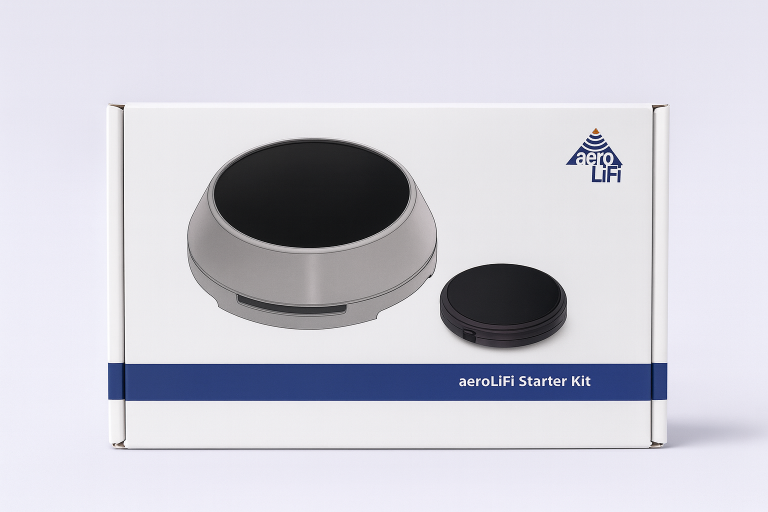
aeroLiFi Starter Kit
The Starter Kit is the best option to get familiar with LiFi and experience the full potential of the technology. You can easily set up and start exploring how light-based communication transforms connectivity.
It’s an ideal choice for small to medium size installations, providing stable and efficient connection.
Antenna System
The Antenna System is built for complex installations that demand extended coverage and advanced network performance. By maximizing coverage through Antennas, it reduces installation costs while ensuring reliable, consistent connectivity across large or multi-room spaces.
For projects where broad, uniform coverage is essential.

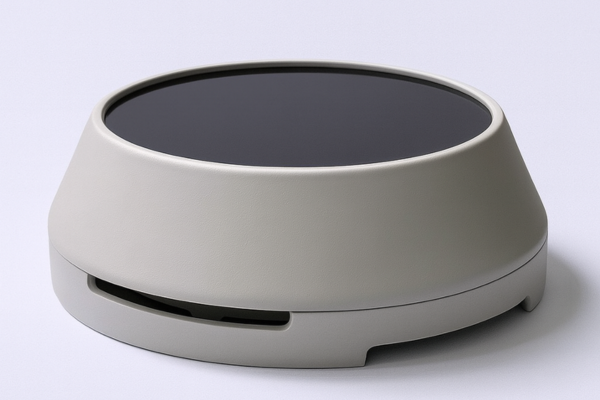
Access Point
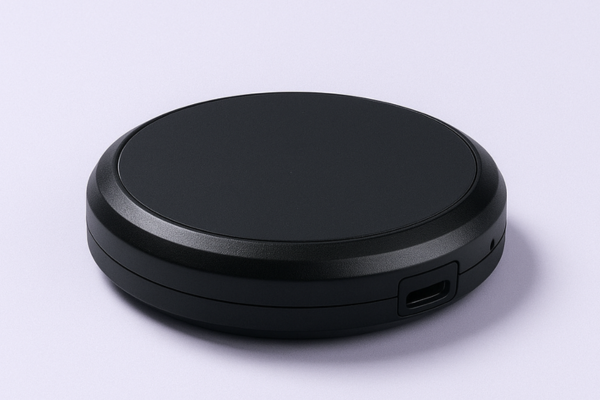
Dongle
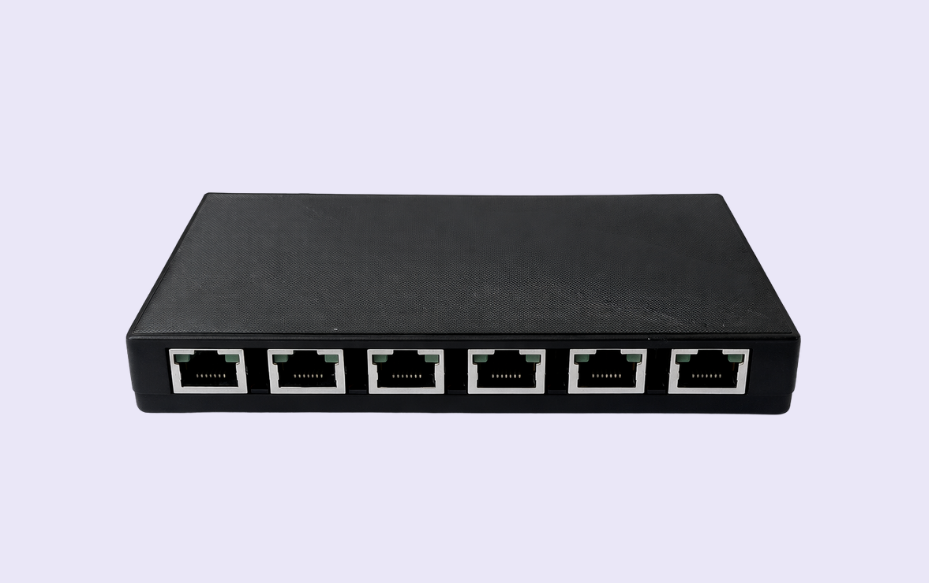
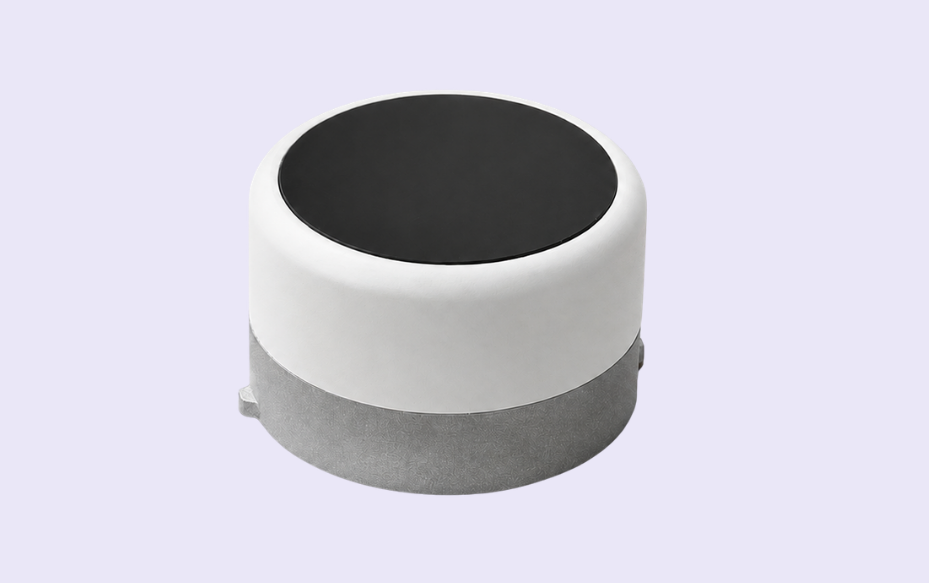
LiFi Central Unit
LiFi Antenna
Dongle
- Data rate: 100+ Mbps
- Optical opening angle: approx. 70°
- Simultaneous users per Access Point: 16
- Interfaces: PoE+ interface for data and power supply
- Diameter: 152 mm, Height: 42 mm
- LiFi standard: G.hn
- Data rates: 150+ Mbps
- Optical opening angle: approx. 70°
- Simultaneous users per LiFi Central Unit: 16
- 6 x analog ports for connecting the Light Antennas
- Interfaces: PoE++ for data and power supply
- Diameter: 152 mm, Height: 42 mm
- LiFi standard: G.hn
How to connect to LiFi?
Explore David Bombal's video →
Power the Access Point
Connect and power your Access Point/Central Unit to your existing network to get started.
Connect the Dongle
Plug the Dongle into your device and position yourself under the Access Point’s/Antenna's data beam cone to establish the connection. It works with all major operating systems.
Enjoy Secure Connectivity
That’s it. You’re online. Experience fast, reliable, and secure wireless connectivity.
LiFi and Laser: your paths to wireless optical connectivity
LiFi
Point-to-multipoint, short-range, localized connectivity
LiFi uses modulated light to connect a single Access Point with multiple devices simultaneously within the same enclosed environment. The optical signal remains contained within the physical boundaries of the coverage area, providing natural isolation from RF interference while reducing the risk of signal interception beyond its intended range.
This combination of multi-device connectivity, a dedicated optical channel, and localized coverage makes LiFi particularly well suited to high-density device environments and facilities where multiple users require fast, reliable connectivity within a controlled wireless setting.
Laser
Point-to-point, long-distance connectivity
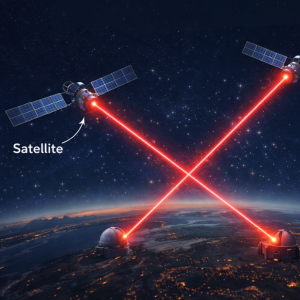
Laser technology provides highly focused optical links between two fixed locations. Its narrow beam enables high-speed data transmission across extended distances, making it suitable for applications ranging from building-to-building and tower-to-tower connections to ground-to-satellite communication.
With its precise, directional transmission, laser enables reliable high-bandwidth communication in environments where long-distance performance and dedicated connectivity are essential.
Every environment operates differently and so should its connectivity
At aeroLiFi, we understand that every facility faces unique challenges when it comes to network performance, data security, and digital efficiency. That’s why we provide tailored wireless optical solutions using both LiFi and laser technologies, designed around your specific needs and requirements.
From localized, high-speed wireless connectivity to dedicated optical links over extended distances, we select and deploy the right technology for your environment, infrastructure, and business objectives.
Our mission is to help you overcome today’s connectivity challenges and build future-ready wireless optical networks that enhance performance, strengthen security, and support the continued growth and success of your business.
Where optical wireless makes a difference?
More application areas →
RF-Free Facilities

Aerospace
Underwater

Satellite to Ground
Defence

Frequently asked questions
Yes, LiFi is fully compatible with your existing WiFi network on LAN level, as Ethernet is used, and the two technologies complement each other perfectly. For the best of both worlds, many users choose a hybrid setup — using WiFi for general connectivity and LiFi in high-security or RF-sensitive areas. In such setups, if one technology experiences downtime, the other can seamlessly take over, providing maximum reliability and flexibility.
Network: LiFi works with your existing Ethernet network and router, so no special network changes are required.
Devices: Any device with a USB-A or USB-C port can connect using a LiFi Dongle.
Yes, LiFi works best with a direct line of sight. The signal is transmitted within a ‘light cone,’ so your device stays connected as long as it remains within the coverage area of an Access Point. In most rooms with multiple Access Points, your device will automatically switch to the nearest one as you move, ensuring a seamless connection. Reflected LiFi signals (e.g., from walls) may provide a lower-speed connection and extend coverage, but this depends on the environment and cannot be guaranteed.
- The number of Access Points/Antennas needed depends on the size and layout of the room.
- Each LiFi Access Point/Antenna covers an area of approximately 6m², with an effective signal radius of about 3 meters.
In most cases, no changes to your existing network infrastructure are needed. Our LiFi system is simply added to your current setup. If your space does not yet have network or power infrastructure, these will need to be installed first.